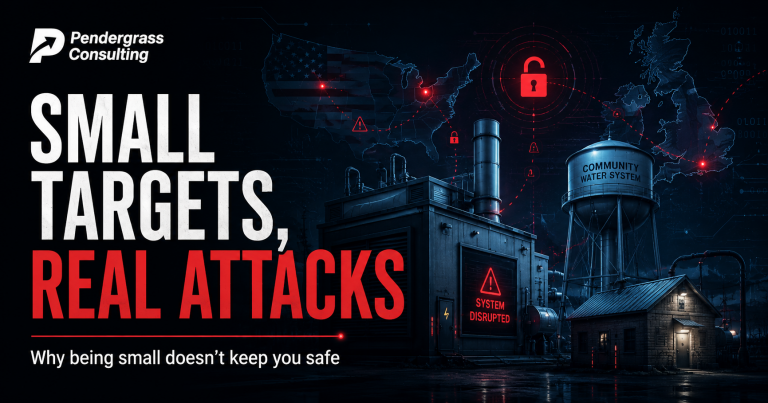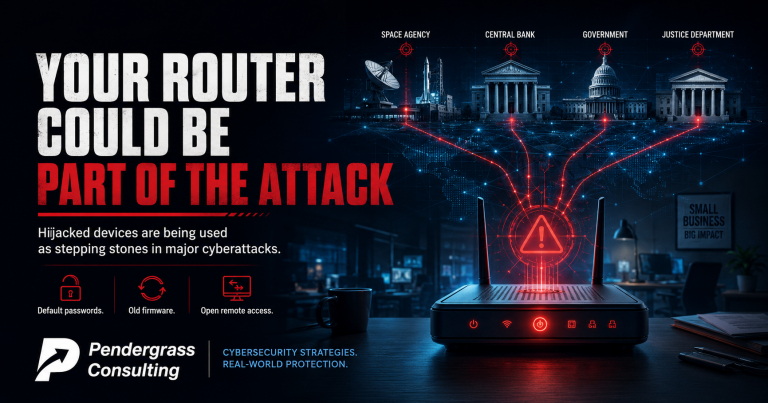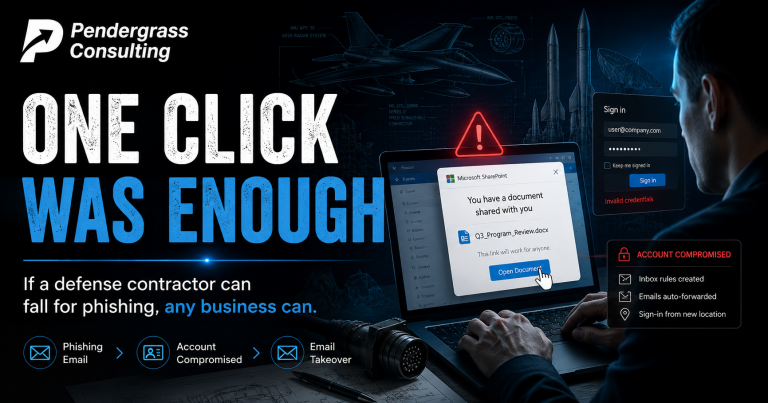
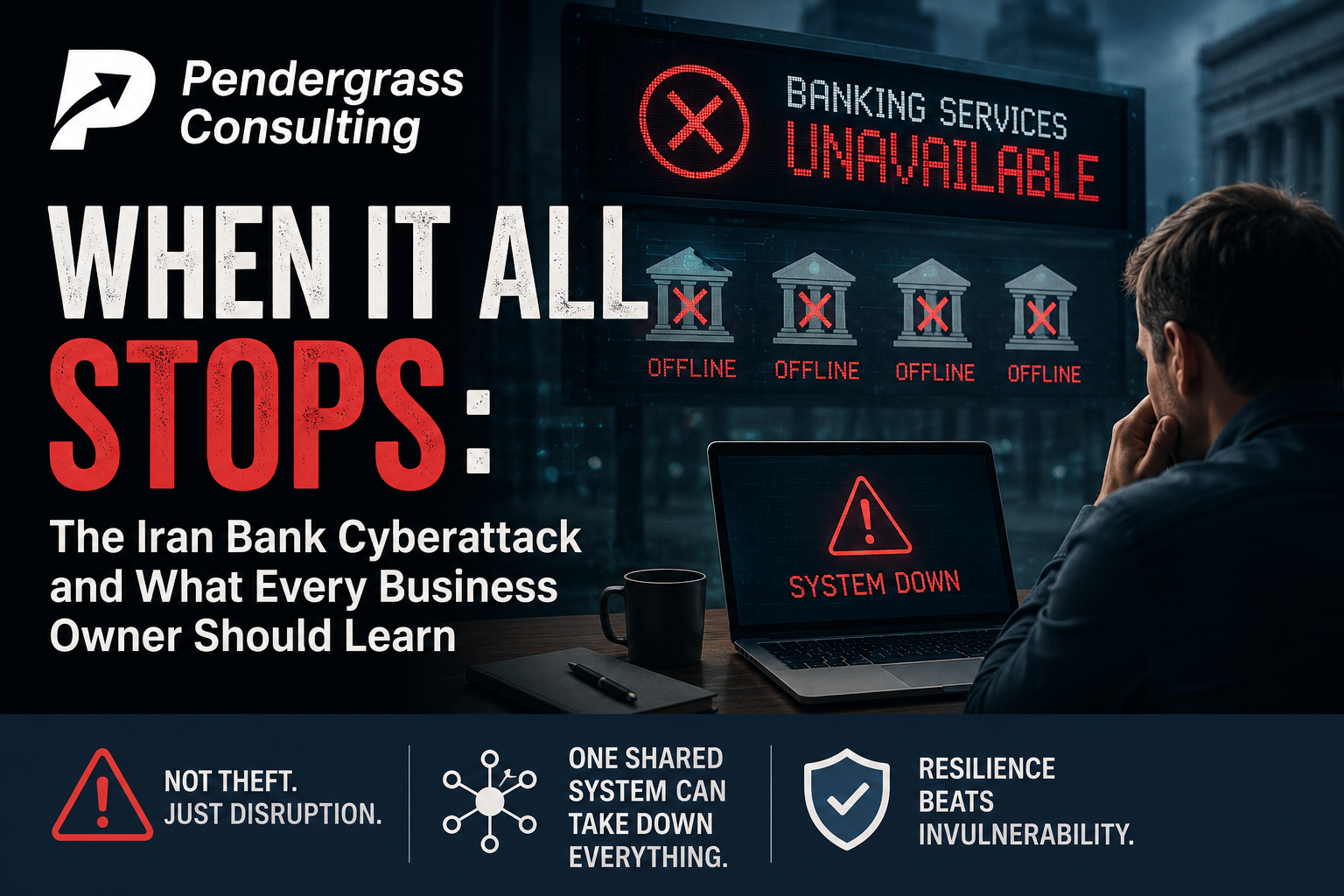
This past weekend, a cyberattack knocked out services at four of Iran’s largest banks. For a stretch of time, people across the country could not use their ATMs, could not pay with their cards, and could not get into their mobile or online banking. The banks’ officials were quick to say that no customer data was stolen or deleted — this was not a theft, it was a disruption. The attackers did not break in to steal money or records. They broke in to switch things off. And in doing so, they handed every business owner a lesson that has nothing to do with Iran and everything to do with how fragile “always works” really is.
We are going to leave the geopolitics aside, because the part that matters for your business is purely practical. Some of the largest, most heavily defended financial institutions in an entire country were taken offline — not by stealing anything, but by attacking a single shared system they all depended on. If it can happen to them, the comfortable assumption that the digital tools your business runs on will simply always be there deserves a second look.
The attack that doesn’t steal anything
Most of the cyberattacks that make the news are about theft — stolen data, stolen money, stolen secrets. This one is a useful reminder that a whole other category of attack exists, and it can hurt just as much: the attack that simply takes things down. No data leaves the building. Nothing is held for ransom. The damage is the outage itself — the hours or days when the thing you depend on just does not work, and your business grinds to a halt along with it.
For a small business, you do not need a nation-state attacker to feel this kind of pain. The effect is the same whether the cause is a deliberate attack, a technical failure at a company you rely on, or an internet outage in your area. The question is identical in every case: when the digital tools your business runs on suddenly stop working, what happens to you? For most small businesses, the honest answer is that everything stops — and nobody has ever thought through what to do about it, because the tools almost always just work, right up until the day they do not.
The hidden danger of the shared system
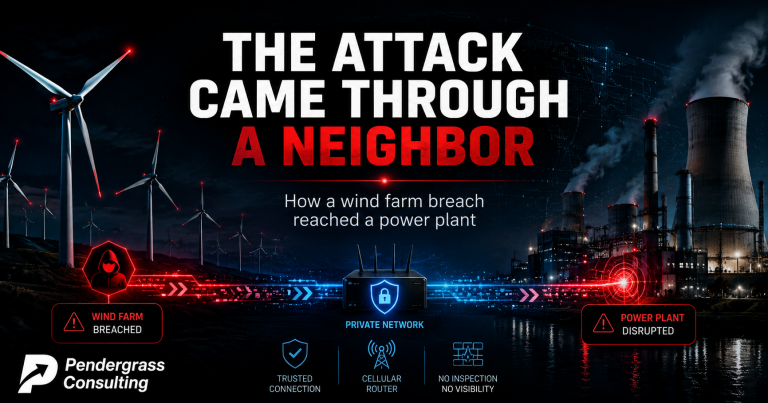
The most instructive detail in the Iran story is how four separate banks went down at the same time. They were not each hacked individually. The attackers hit one shared system that all of them relied on, and when it fell, they all fell together. That is the quiet danger of shared infrastructure: a single point of failure that many things depend on, where one problem becomes everyone’s problem at once.
Your business has these too, and you may never have mapped them. The payment processor that, if it goes down, means you cannot take a single sale. The internet connection that everything in your shop runs through. The one cloud service that holds the files your whole team needs to work. The email system that, if it stops, cuts off how customers reach you. Each of those is a shared system your business quietly leans its full weight on, and most owners have never asked the uncomfortable question: which single failure would take my whole operation down, and do I have any backup plan at all if it does? You cannot prepare for a weak point you have never identified.
Big budgets don’t equal invulnerability
It is worth sitting with the fact that these were major banks — institutions with enormous security budgets and teams of experts — and they still went down. The takeaway is not that security is hopeless. It is that no one is ever perfectly protected, and the goal was never perfect protection. The goal is resilience: the ability to keep going, or to recover quickly, when something does go wrong. The banks that handled this best were not the ones that were impossible to disrupt — those do not exist — but the ones that detected the problem fast, contained it, and had a plan to get services back.
For a small business, resilience is not about out-spending attackers or building an impenetrable fortress. It is about having thought it through in advance. Knowing what your business depends on. Knowing what you would do if a key system went dark for a day. Having your data backed up somewhere separate, knowing how you would reach customers if your main channel failed, and not being caught completely flat-footed by an outage you never imagined could happen to you. That kind of preparation is cheap compared to the alternative, and it is precisely the kind of thinking that gets postponed forever in a busy business because nothing has forced the question yet.
Know what you’d do before the day you need to
The four-bank outage will be repaired and forgotten by most people in a week. But the question it raises is worth keeping: if the systems your business depends on went down tomorrow — whether from an attack, a vendor’s failure, or a simple outage — how badly would it hurt, and how fast could you recover? Most small business owners have never been walked through that question, not because they do not care, but because no one has ever sat down with them to map what their business actually relies on and where it is dangerously exposed.
That is exactly what our environment review is built to do. We look, in plain language, at the systems and services your business depends on, identify the single points of failure that could take you offline, and help you understand what it would take to keep running — or recover quickly — when something goes wrong. No jargon, no scare tactics, no obligation. Just a clear-eyed answer to a question every owner should be able to answer and almost none can: if the worst happened tomorrow, would your business be ready? After watching four major banks blink offline at once, that is worth knowing for certain.
Sources: Reuters; Iran’s banking coordination council via state media; Business Recorder; Cyber Daily, June 2026.